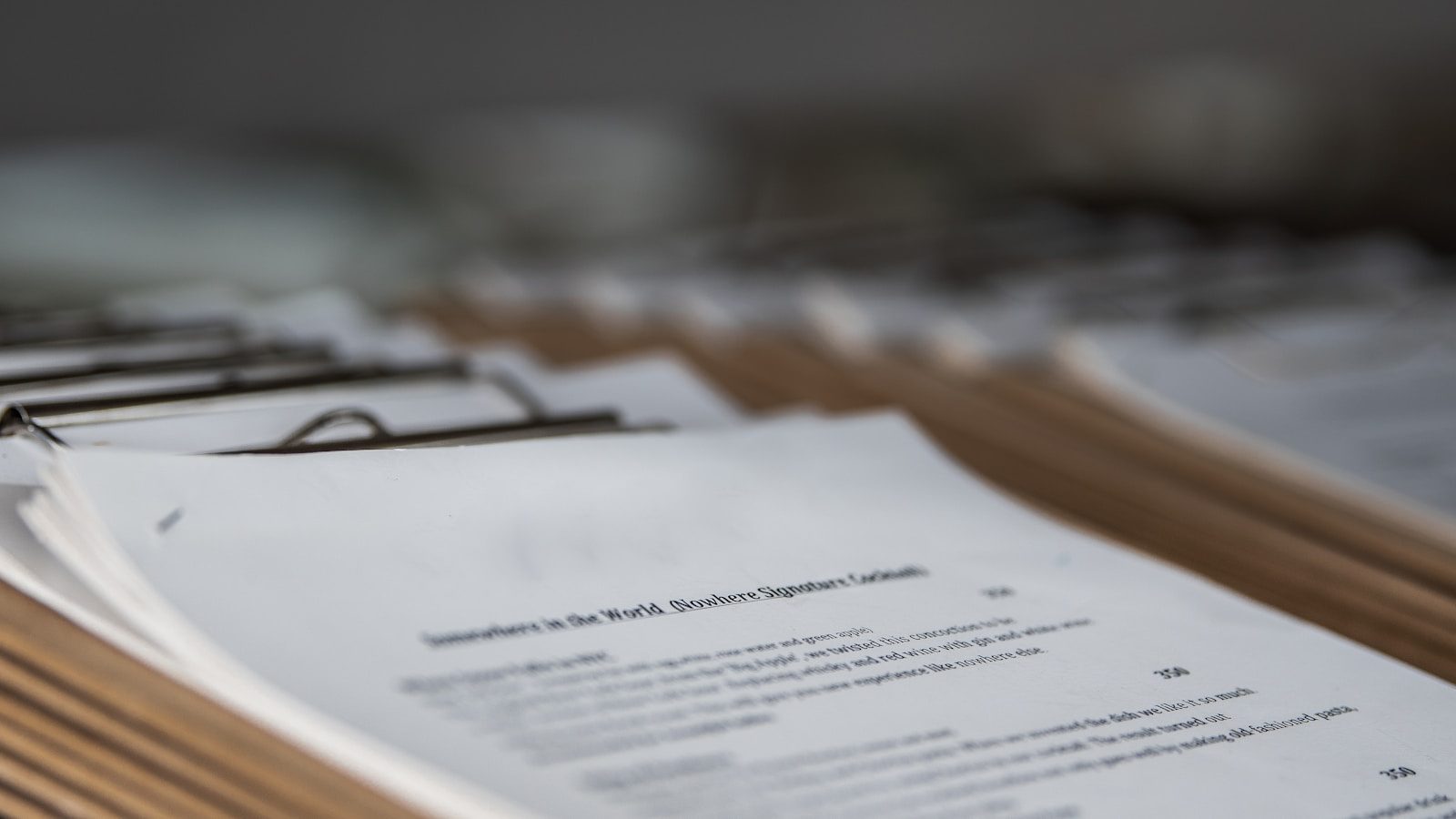

A cash offer is easy to accept quickly, though a short list of questions upfront can prevent surprises later in the process. Taking an extra day to ask these questions rarely costs anything and often prevents a far more costly misunderstanding down the line. A buyer confident in their offer will generally welcome the questions rather than treat them as an obstacle to closing quickly.
Questions About the Offer Itself
Ask which comparable sales were used, what repair costs were factored in, and whether the number is guaranteed or contingent on a future walkthrough. A buyer willing to answer these questions in detail is generally more trustworthy than one who avoids specifics. A vague answer to a direct question about comparable sales or repair costs is often a sign that the number was not built from a documented process. Writing down the answers, rather than relying on memory from a phone call, gives a homeowner something concrete to compare against a second offer later.
The list below covers the areas worth confirming before signing anything.
- What comparable sales were used to reach this number
- Which specific repairs were factored into the deduction
- Whether the offer is firm or subject to change after a walkthrough
- Who covers closing costs, the buyer or the seller
- What the proposed closing timeline looks like
- Whether the closing date can be adjusted if circumstances change
- What happens if the buyer needs to back out before closing
Reviewing these answers side by side with a second offer, if one exists, often clarifies which buyer is offering more transparency alongside the number itself. What happens after accepting an offer matters just as much as the questions asked beforehand, since that stage determines how smoothly closing goes.
Questions About the Buyer
Ask how long the company has operated, whether they have completed closings in the area before, and whether they can provide references from recent sellers. A buyer with a track record in the local market typically moves through the process more smoothly than one unfamiliar with local title companies and closing procedures. A newer buyer is not automatically a red flag, but one unwilling to share any references or closing history is worth extra scrutiny before moving forward.
Checking a buyer’s standing with the local Better Business Bureau, or searching for their name alongside recent online reviews, adds another layer of confirmation before moving forward with a specific company.
Questions About the Paperwork
Confirm what the purchase agreement includes, whether an attorney or title company will handle the closing, and what documentation the homeowner needs to provide before signing. Reading the agreement fully before signing, rather than skimming it under time pressure, is worth the extra few minutes it takes. A homeowner uncertain about any clause in the agreement is always within their rights to ask for clarification, or to have an attorney review the document, before signing anything binding. Taking that extra step costs nothing and removes any lingering doubt before a legally binding signature gets attached to the sale.
Questions About Timing and Flexibility
Ask whether the proposed closing date is fixed or whether it can shift if circumstances change on either side. A homeowner still finalizing plans for a new place to live benefits from knowing upfront whether a short delay would be workable if needed, rather than discovering that flexibility does not exist only after a scheduling conflict arises.
It is also worth asking what happens if the buyer needs to delay closing on their end, whether due to a title issue or an internal scheduling conflict. A buyer who addresses this question directly, rather than assuming it will not come up, generally demonstrates a more realistic understanding of how transactions can occasionally shift.
Signs a Buyer Deserves a Closer Look
A buyer pressuring a homeowner to sign the same day, before there is time to compare the offer against another one or review the agreement fully, is worth pausing on. A legitimate buyer generally expects a homeowner to take at least a day or two to review an offer, and treats that request as normal rather than an inconvenience.
Vague answers to direct questions about comparable sales, repair estimates, or closing costs are another signal worth noting. A buyer with a documented, repeatable process for calculating offers can typically answer these questions in specific terms rather than general reassurances, and that specificity is usually a reliable indicator of how the rest of the transaction will go.
Trusting the Process, Not Just the Number
A homeowner who asks every question on this list and receives clear, specific, documented answers to each one has done as much due diligence as reasonably possible before signing an agreement. At that point, the decision comes down to comparing the offer, the timeline, and the buyer’s track record against what matters most for the specific situation at hand, rather than continuing to search for a guarantee that does not exist in any transaction.
None of these questions need to feel adversarial. Framing them as a normal part of due diligence, the same way a homeowner would research any significant financial decision, keeps the conversation constructive while still protecting the homeowner’s interests throughout the process.
A homeowner who walks into a signing appointment having already asked and answered these questions rarely encounters a surprise significant enough to change their decision at the last minute. That preparation is ultimately what separates a smooth, confident closing from one clouded by lingering doubts about a number nobody ever fully explained. A few extra questions asked early on tend to pay for themselves many times over in peace of mind alone, and no reasonable buyer will ever hold that diligence against a homeowner.