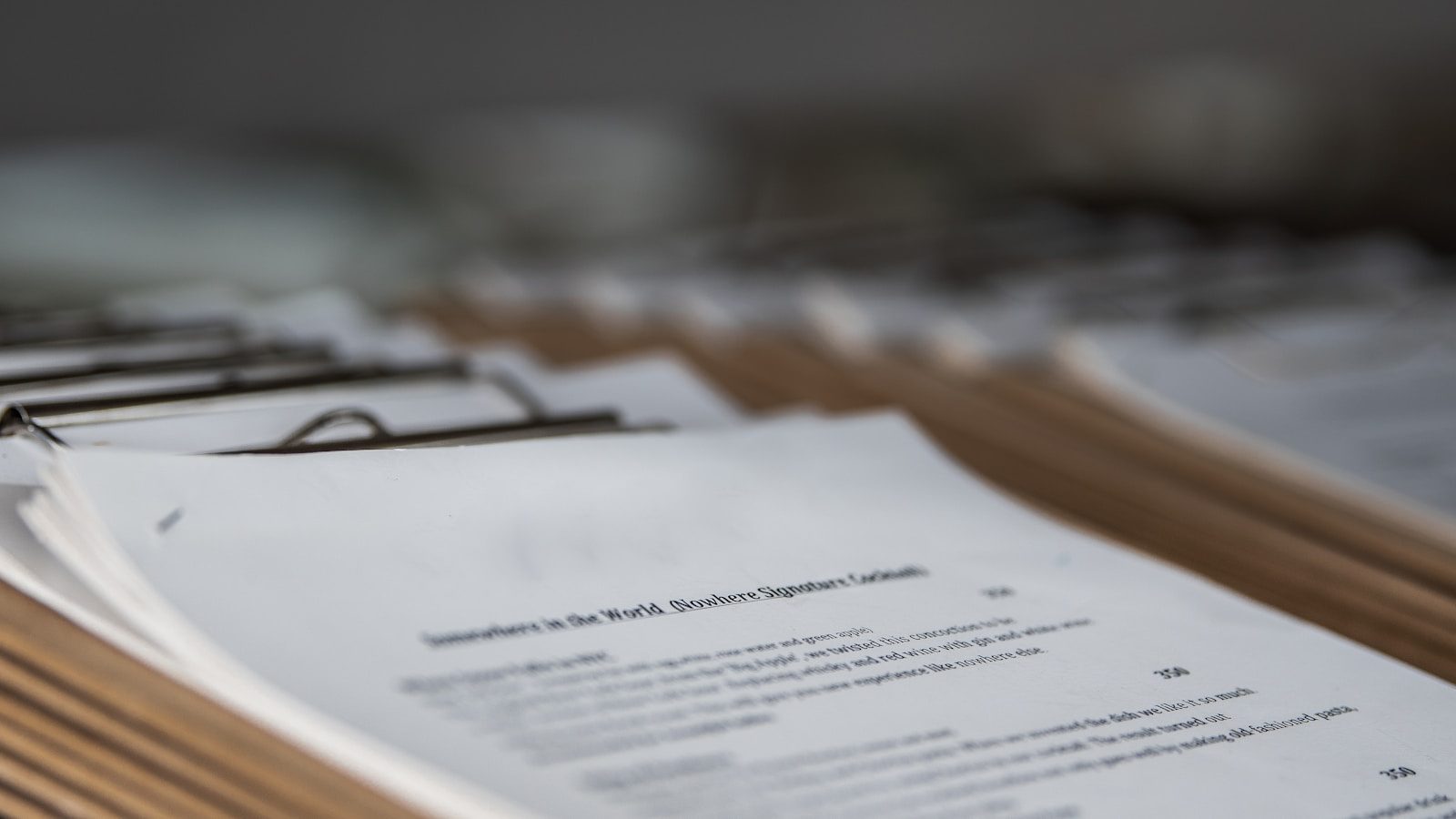

Having the right paperwork ready before a sale begins can shave meaningful time off the entire process, particularly when speed is the priority.
Proof of Ownership
A copy of the deed, or at minimum the property address and current owner’s name as it appears on county records, confirms who has legal authority to sell. A title company will verify this independently, but having it ready upfront speeds up the initial review.
For a property recently inherited or transferred, documentation showing how ownership passed, a will, a probate order, or a recorded deed transfer, helps avoid delays once a buyer is ready to move forward with an offer.
Mortgage Payoff Information
A current mortgage statement showing the remaining balance lets a buyer and title company calculate exactly how much of the sale proceeds will go toward paying off the loan. Without this figure, closing cannot be finalized accurately.
Homeowners with more than one loan against the property, such as a home equity line in addition to a primary mortgage, should gather payoff information for each one separately.
Property Tax Records
A recent property tax bill confirms the current tax amount and shows whether payments are current. Any unpaid taxes typically need to be resolved as part of closing, so having this information ready prevents a last-minute surprise.
Prorated taxes, covering the portion of the year up to the closing date, also get calculated using this information, so accuracy here directly affects the final settlement numbers.
What a Title Search Will Request
A title company reviewing the property’s history may request additional documentation depending on what the search uncovers, such as a lien release, a divorce decree affecting ownership, or documentation resolving a name discrepancy on the deed.
Gathering any known complications ahead of time, rather than waiting for the title company to discover them independently, tends to shorten the overall closing timeline considerably.
Documents for Tenant Occupied Properties
A property with a current tenant needs a copy of the lease, records of the security deposit, and confirmation of current rent payment status. A buyer evaluating an occupied property relies on this documentation to understand what they are taking on.
Missing or incomplete lease documentation can delay an offer, since a buyer cannot accurately account for occupancy without a clear picture of the existing lease terms.
Getting Organized Before Reaching Out
Gathering these documents before contacting a buyer, rather than scrambling after an offer is already in motion, is one of the simplest ways a homeowner can speed up the entire process from first contact to funded closing. This preparation mirrors the same closing day process a title company will walk through later, just handled ahead of time instead of under pressure.
A folder with a copy of the deed, the most recent tax bill, mortgage statements, and any lease documentation covers most of what a buyer or title company will request throughout a typical transaction.
What Slows Down a Fast Sale Most Often
Missing or incomplete paperwork is the single most common reason a fast sale takes longer than expected. A homeowner unable to locate a mortgage statement or unsure who currently holds the title can add days or weeks to a process that would otherwise move quickly.
Reaching out to a lender or county records office early to request missing documents, rather than waiting until a title company asks for them, keeps a fast sale moving at the pace it is supposed to.
Requesting Records You Do Not Have
A homeowner who has lost or never received a copy of their deed can typically request one from the county recorder’s office where the property is located, often for a small fee. This record is public and does not require an attorney to obtain.
A current mortgage servicer can provide a payoff statement on request, usually within a few business days, and most lenders offer this through an online portal or a quick phone call to their loss mitigation or servicing department.
Starting these requests as soon as a sale becomes a real possibility, rather than after an offer is already accepted, keeps the rest of the timeline from being held up by paperwork that takes a few days to arrive.
Homeowners who keep basic property records organized on an ongoing basis, rather than only when a sale becomes likely, consistently report a faster and less stressful experience once they do decide to sell.
A simple checklist kept in a single folder, physical or digital, makes it easy to confirm nothing is missing before reaching out to a buyer, rather than discovering a gap partway through the process when it is harder to address quickly.
Homeowners uncertain whether a specific document applies to their situation can simply ask a buyer or title company directly, since requirements vary somewhat by property type, ownership structure, and state.
Digital copies stored securely, in addition to physical ones, provide a useful backup and make it easy to forward documents quickly by email once a buyer or title company requests them during the transaction.
None of this paperwork needs to feel overwhelming once broken into individual pieces. Most homeowners already have the majority of it on hand, or can obtain it within a day or two of asking.
A little preparation upfront consistently pays off in a faster, smoother closing later.
Getting these details in order early is one of the simplest ways to keep a fast sale genuinely fast.
Paperwork ready in advance is paperwork that never becomes a bottleneck.
An organized folder today is a faster closing tomorrow.
Simple as that.
Nothing complicated about it at all.
A short list, gathered once, used well.
That is really all it takes to keep things moving.