
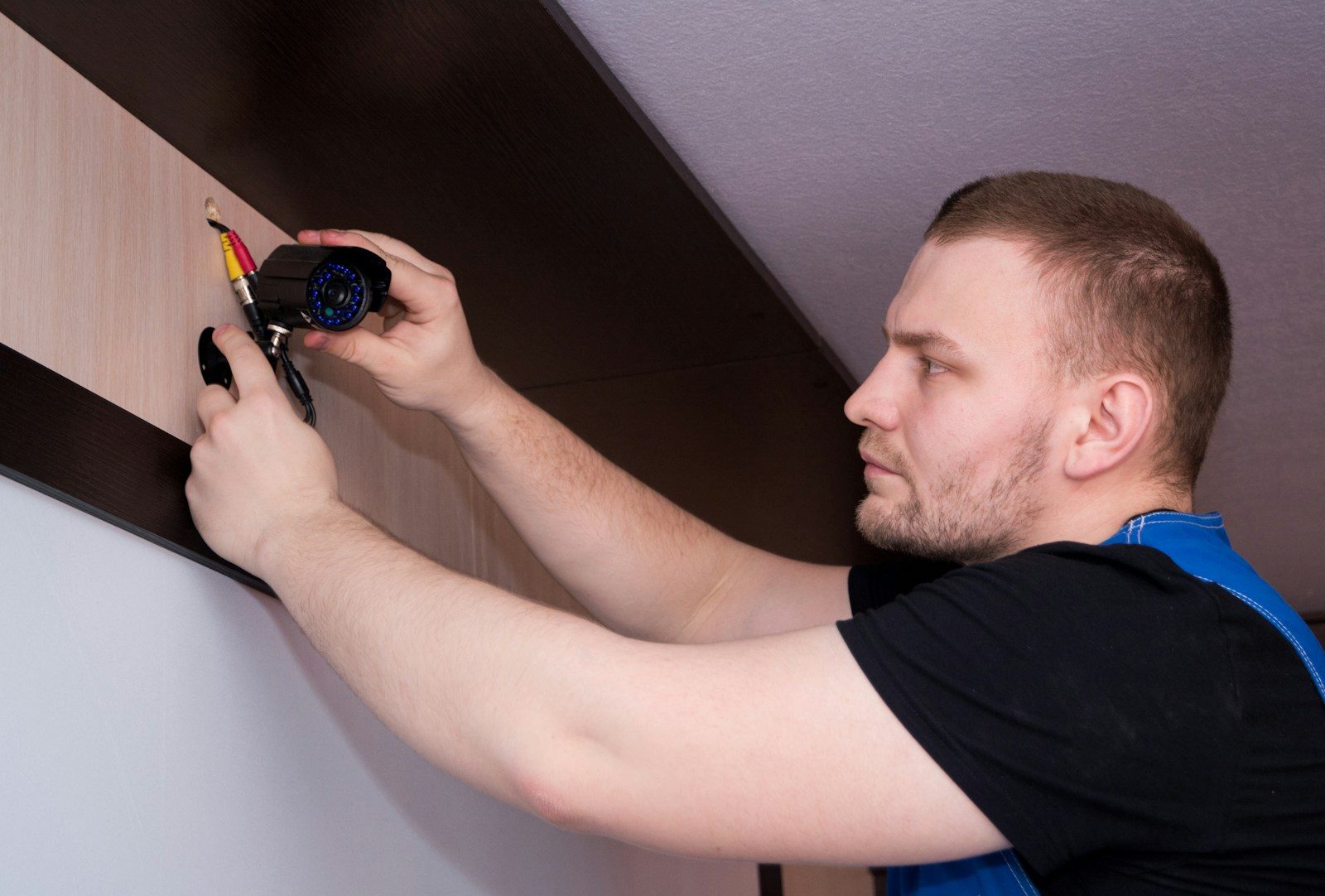
A traditional home sale almost always involves a formal inspection, which raises a natural question about whether the same requirement applies to a direct cash sale.
Why Traditional Sales Require Inspections
A buyer’s lender typically requires or strongly encourages a formal inspection before finalizing financing, since it protects both the buyer and the lender from unknowingly taking on a property with significant undisclosed issues.
This inspection often becomes a negotiation point after the fact, with buyers requesting repairs or price adjustments based on what the report reveals, sometimes reopening negotiations weeks after a purchase agreement seemed settled.
How Cash Sales Handle Property Evaluation Differently
A cash buyer does not answer to a lender, which removes the formal inspection requirement that drives much of a traditional sale’s timeline and negotiation complexity around repair items.
Most cash buyers still conduct their own evaluation, either through an in-person walkthrough or a detailed review of photos and a homeowner’s description, though this process is generally faster and less adversarial than a formal buyer-ordered inspection.
What a Cash Buyer’s Evaluation Actually Covers
This evaluation focuses on identifying major cost drivers, structural concerns, roofing condition, major system age, rather than producing the exhaustive, itemized report a formal inspection generates for a financed buyer’s protection.
The goal differs meaningfully from a traditional inspection, since a cash buyer is pricing repairs directly into an offer rather than using findings as leverage to renegotiate a price already agreed upon weeks earlier.
Should a Homeowner Get an Independent Inspection Anyway
Some homeowners choose to commission their own inspection before requesting a cash offer, simply to understand their property’s condition and have an independent point of comparison against whatever a buyer’s evaluation concludes.
This step is optional rather than required, and homeowners prioritizing speed and simplicity often skip it entirely, relying instead on the buyer’s own evaluation process to reach a fair number without additional cost or delay.
Documentation That Still Helps the Process
Documents you need to sell your house fast do not typically include a formal inspection report, though any existing documentation about repairs, warranties, or known issues still helps a buyer reach an accurate number more quickly.
Providing this information upfront, rather than waiting for a buyer to discover it independently, tends to produce a smoother, faster evaluation regardless of whether a formal inspection ever enters the picture.
A Simpler Path Through Property Evaluation
Skipping the formal inspection requirement removes one of the more time-consuming and occasionally contentious stages of a traditional sale, replacing it with a more direct evaluation focused on reaching a fair number rather than renegotiating an already agreed price.
Homeowners who value this simplicity, alongside the reduced risk of a late-stage negotiation over inspection findings, often find this one of the more meaningful practical differences between a traditional sale and a direct cash transaction.


Leave a Reply