
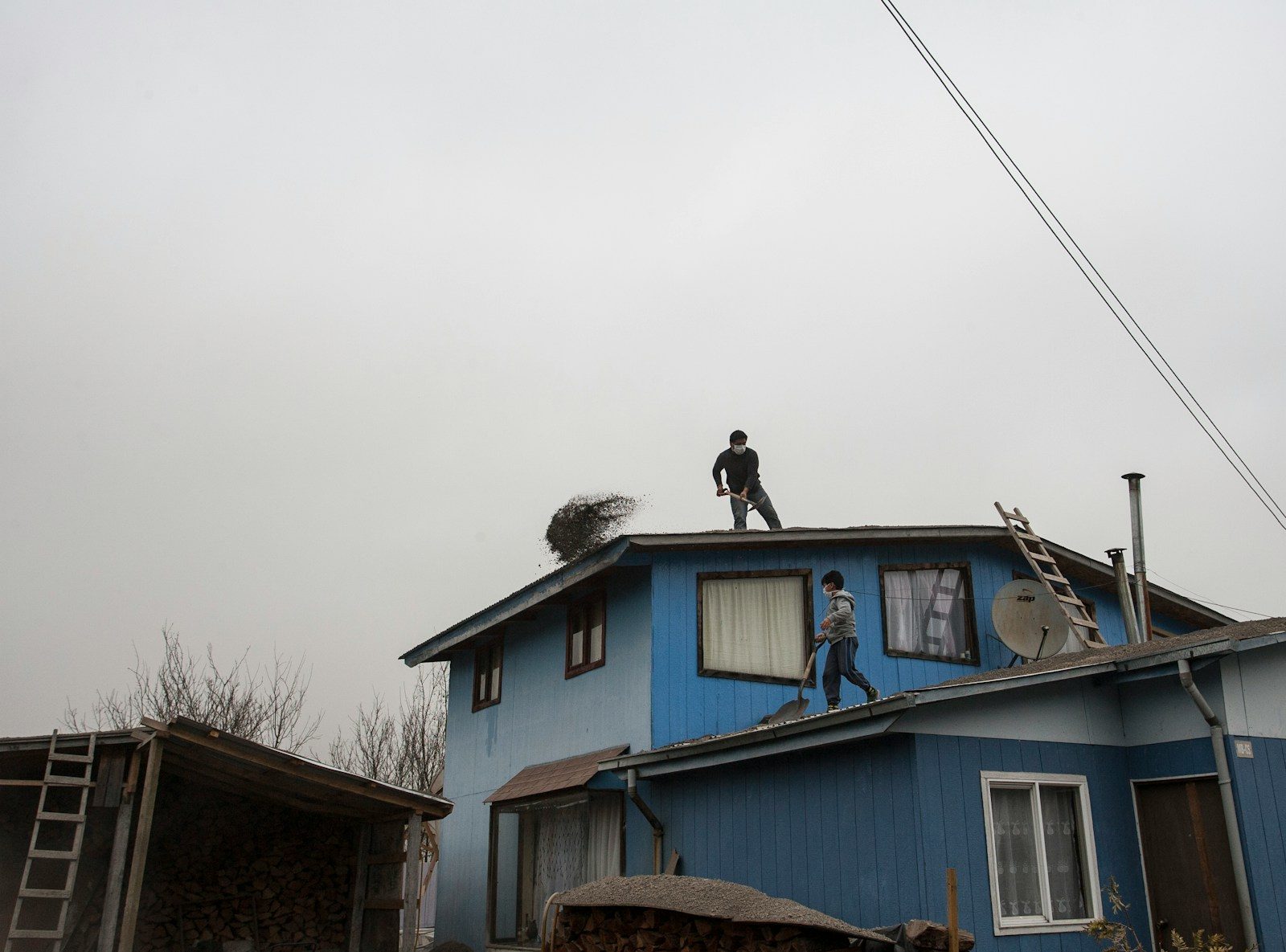
A home damaged by fire, flooding, or a severe storm presents challenges that go well beyond typical repair needs, and understanding the available paths forward helps homeowners make a clearer decision during an already difficult time.
Assessing the Scope of Damage First
A professional damage assessment, often required by insurance regardless of what happens next, gives a homeowner an accurate picture of both the extent of the damage and a realistic estimate of what full repair would actually cost.
This assessment matters regardless of whether a homeowner plans to repair, sell as is, or pursue an insurance claim, since every path forward depends on understanding exactly what happened to the property and how severe the damage genuinely is.
Insurance Claims Add Their Own Timeline
A homeowner pursuing an insurance claim faces a separate process from any potential sale, often taking weeks or months to resolve depending on the complexity of the damage and the insurer’s own claims process.
Some homeowners choose to sell before an insurance claim fully resolves, transferring the remaining claim process to the buyer as part of the sale, though this requires clear agreement between both parties about how that transfer works.
Why Traditional Buyers Often Avoid Damaged Properties
A traditional buyer using financing faces real obstacles purchasing storm or fire damaged property, since lenders frequently will not approve a mortgage on a home in an uninhabitable or severely damaged condition until repairs bring it up to a livable standard.
This effectively removes most financed buyers from consideration for a severely damaged property, narrowing the realistic buyer pool considerably compared to a home with more typical, cosmetic level condition issues.
How Cash Buyers Approach Damaged Properties
A cash buyer evaluates fire or storm damage directly, pricing the actual repair or rebuild cost into an offer rather than requiring the damage to be resolved before a sale can even be considered.
This makes a cash sale one of the more realistic paths for homeowners holding property in poor condition following a disaster, since it does not depend on the property meeting a lender’s habitability standards before a sale can proceed.
Understanding How the Offer Gets Built
How a cash home offer actually gets calculated applies here as well, though the repair estimate component carries considerably more weight for a damaged property than it would for one needing only minor, cosmetic updates.
A homeowner should expect the offer to reflect the genuine scope of rebuild or repair costs involved, and requesting a detailed breakdown of how that estimate was reached helps confirm the number accurately reflects the actual damage rather than an overly conservative assumption.
Moving Forward After a Disaster
Selling a damaged property does not require completing repairs first or waiting for an insurance claim to fully resolve. A direct cash sale can move forward with the property in its current, damaged condition, removing a significant burden during an already stressful recovery period.
Homeowners facing this situation benefit from exploring every option, insurance, repair, and sale, together rather than in isolation, since the right combination often depends on the specific extent of damage and the homeowner’s own capacity to manage a lengthy rebuild process.

Leave a Reply