
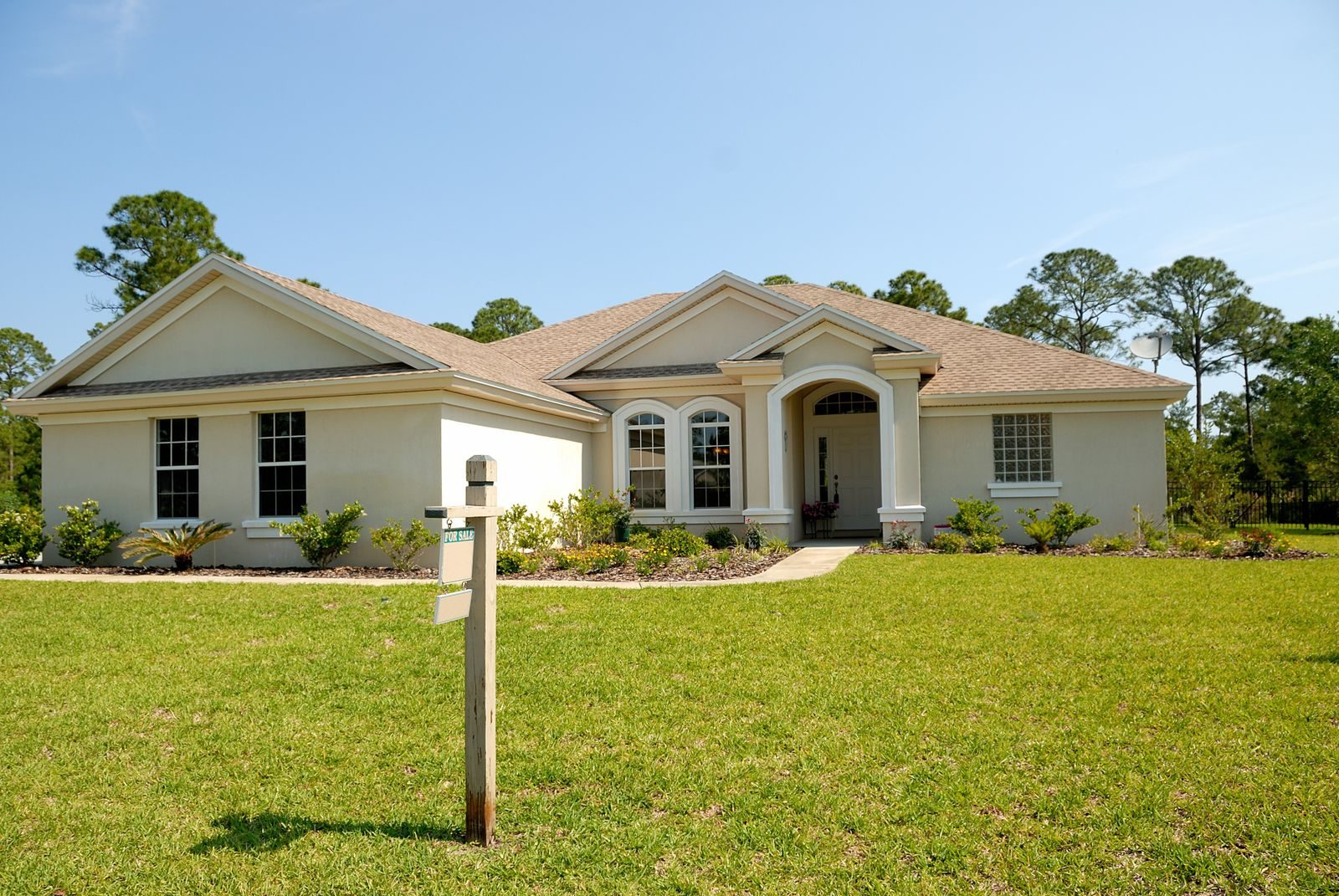
Foreclosure follows a defined legal sequence, and knowing exactly where a specific situation sits within that sequence makes every decision along the way clearer.
Missed Payments and Initial Notices
The process typically begins after a single missed payment, though most lenders do not take formal action until multiple payments have been missed consecutively. Late fees and notices accumulate during this stage, though the loan generally remains reinstatable simply by catching up the balance owed.
This early stage represents the widest window of options, since a lender has not yet initiated formal legal proceedings and is often more flexible about alternative arrangements at this point than at any later stage.
Notice of Default
After a set number of missed payments, typically three to six depending on the lender and state, a formal notice of default gets filed, starting the legal countdown toward foreclosure. This notice is usually recorded publicly with the county.
Some states require a separate notice period after this filing before further action can be taken, giving homeowners additional time to respond, cure the default, or explore alternatives before the process advances further.
Pre-Foreclosure Period
This stage, sometimes lasting several months depending on state law, is where most alternatives to foreclosure get pursued, loan modification, repayment plans, short sales, or a direct cash sale that pays off the loan before foreclosure finalizes.
Homeowners who reach out to their lender or a potential buyer during this window generally have the most realistic set of options available, compared to waiting until a sale date has actually been scheduled.
Notice of Sale
Once pre-foreclosure alternatives are exhausted or ignored, a notice of sale gets filed and published, setting an actual date for the foreclosure auction. This stage significantly narrows what remains possible, since the legal machinery is now actively moving toward a specific date.
A homeowner still hoping to sell privately at this stage needs to move quickly, since a cash sale would need to close before the scheduled auction date to prevent the foreclosure from proceeding as planned.
The Foreclosure Sale Itself
On the scheduled date, the property gets sold at auction, typically to the highest bidder, which is sometimes the lender itself if no outside bidder offers enough to cover the outstanding loan balance and associated costs.
Once this sale completes, the previous homeowner’s options largely end, though some states provide a post-sale redemption period allowing a limited window to reclaim the property by paying the full amount owed, an option few homeowners are able to use in practice.
Where a Cash Sale Fits Into This Timeline
A cash sale works best when pursued during the pre-foreclosure period, well before a sale date gets scheduled, since this stage offers the most predictable path to closing before the legal process advances any further. Stopping foreclosure with a cash sale depends heavily on exactly which stage a homeowner is currently in.
Homeowners uncertain which stage applies to their situation can typically find this information on their most recent notice from the lender, or by contacting the lender directly to confirm exactly where things currently stand.


Leave a Reply